Middle School Classes
Click here for the 2026 Summer/Fall Class Schedule!
“Those who dream by day are cognizant of many things which escape those who dream only by night.”

Balancing fun and focus
Middle school is a critical period, as students must solidify the reading and writing skills that will carry them through high school. And for ‘tweens, social interaction is a key motivator.
My middle schoolers are the most fun and exhilarating students I teach, but they are also the most challenging, demanding, and unpredictable. At this age, children are insightful enough to probe sophisticated themes in literature; however, they may still struggle with inattention and impulse control.
I keep them on task with incentivizing vocabulary, short story, and essay-writing contests, in which they enthusiastically compete with each other for gift cards and other prizes.
Sometimes we dim the lights to read a spooky short story by legendary sci-fi author Ray Bradbury. Then we turn the lights back on for a high-energy discussion, while answering thought-provoking questions about the story’s underlying messages.
Building an analytical foundation
Middle school is also when students begin writing analytical essays in earnest, laying the foundation for the long academic essays that will be required of them in advanced high school English classes.
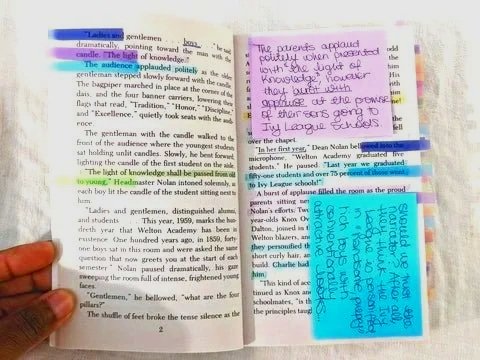
In addition to engaging in lively debates about current event topics, (Example: “Does social media cause depression in teens?”) my middle-school students learn to write thoughtfully about classic literature.
They become experts not only at finding the best evidence to support their interpretations of themes and characters, but at explaining the importance of that evidence.
As an example, my eighth graders recently read the 1969 coming-of-age short story “Marigolds” by Eugenia Collier and wrote a multi-paragraph essay on the prompt, “How does the teenage protagonist Lizabeth evolve throughout the course of the story? Support your ideas with evidence and reasoning.”
Other areas we target include: using precise vocabulary; avoiding repetition of words and ideas; transitioning smoothly between sentences; and developing a signature style to make their writing unique, compelling, and unforgettable.